
Contents
Overview
Immune function refers to the complex biological network that defends your body against illness and disease. Think of it as your internal security force, constantly on patrol to identify and neutralize threats like viruses, bacteria, parasites, and even abnormal cells like cancer cells. A robust immune system is crucial for maintaining overall health and wellness, ensuring your body can effectively distinguish between harmful invaders and its own healthy tissues. Understanding how this system operates is the first step toward optimizing your body's natural defenses.
💡 Innate vs. Adaptive Immunity
Your immune system operates through two primary arms: the innate and adaptive systems. The innate immune system is your rapid-response unit, providing immediate, non-specific defenses against a wide range of pathogens. It's like a general alert system. In contrast, the adaptive immune system is your specialized forces, learning to recognize and mount a targeted attack against specific threats it has encountered before, building immunological memory. This dual approach ensures both immediate protection and long-term, tailored defense.
🔬 Key Components of Your Immune System
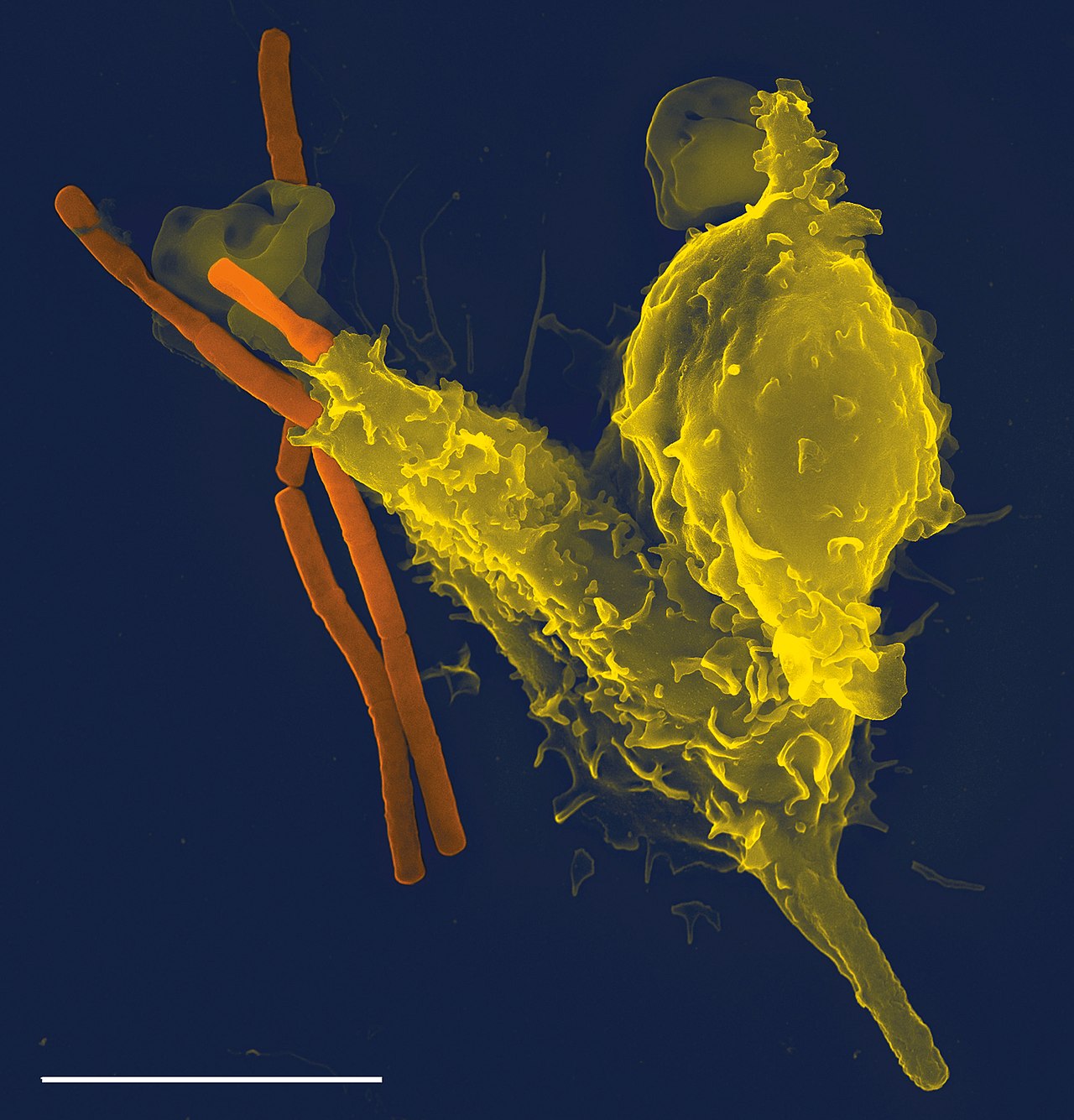
The immune system is a symphony of specialized cells and molecules. Key players include white blood cells (leukocytes) like lymphocytes (T cells, B cells, NK cells) and phagocytes (macrophages, neutrophils), which are the soldiers of your defense. Antibodies, produced by B cells, are crucial for tagging pathogens for destruction. The lymphatic system, including lymph nodes and vessels, acts as the communication and transport network, while organs like the thymus and spleen are vital manufacturing and training grounds for immune cells.
📈 Factors Influencing Immune Health
Numerous factors can influence the strength and efficiency of your immune function. chronic stress can suppress immune responses, while adequate sleep is essential for immune cell regeneration. nutrition, particularly the intake of vitamins like C and D, and minerals like zinc, plays a critical role in supporting immune cell activity. regular exercise can also boost immune function, though overtraining can have the opposite effect. age also impacts immune capacity, with both infants and the elderly often having more vulnerable immune systems.
🍎 Supporting Your Immune Defenses
You can actively support your immune defenses through lifestyle choices. Prioritizing quality sleep (7-9 hours for most adults) allows your body to produce and release cytokines, proteins that help fight inflammation and infection. A balanced diet rich in fruits, vegetables, whole grains, and lean proteins provides essential nutrients for immune cell function. Practicing stress management techniques like meditation or yoga can mitigate the negative effects of chronic stress on your immune system. Staying hydrated is also fundamental for overall bodily functions, including immune response.
❓ Common Immune System Myths
Several misconceptions surround immune function. One common myth is that you need to 'boost' your immune system, implying it's always weak. In reality, a healthy immune system is about balance, not overactivity, which can lead to autoimmune diseases. Another myth is that avoiding all germs is beneficial; exposure to a diverse range of microbes actually helps train and strengthen the adaptive immune system. Finally, the idea that only supplements can support immunity overlooks the profound impact of diet and lifestyle.
🌟 When to Seek Professional Guidance
While a healthy lifestyle is foundational, there are times when professional medical advice is necessary. If you experience frequent or severe infections, prolonged fatigue, or unexplained inflammation, it's wise to consult a healthcare provider. They can assess your immune status, identify potential underlying issues, and recommend appropriate medical interventions or further diagnostic tests. Conditions like allergies or autoimmune disorders specifically require expert management.
🚀 The Future of Immune Research
The field of immunology is rapidly advancing, with ongoing research exploring new frontiers. Scientists are investigating the intricate gut microbiome's role in immune regulation, the potential of immunotherapy to treat diseases like cancer, and strategies to combat emerging infectious threats. Personalized approaches to immune health, tailored to an individual's genetic makeup and lifestyle, are also on the horizon. The future promises deeper insights into immune system complexity and novel ways to harness its power for preventative health and disease treatment.
Key Facts
- Year
- Ancient Origins
- Origin
- The study of immunology traces back to Edward Jenner's work with smallpox vaccination in the late 18th century, though the concept of bodily defenses is ancient.
- Category
- Health & Wellness
- Type
- Biological System
Frequently Asked Questions
How does sleep affect my immune system?
During sleep, your body produces and releases cytokines, which are crucial proteins that help combat inflammation and infection. Sleep deprivation can reduce the production of these protective cytokines and decrease the number of infection-fighting antibodies and cells. Aiming for 7-9 hours of quality sleep per night is vital for optimal immune function and recovery.
Can stress make me sick more often?
Yes, chronic stress can significantly impair your immune system's ability to fight off pathogens. Prolonged exposure to stress hormones like cortisol can suppress the effectiveness of immune cells and increase inflammation throughout the body, making you more susceptible to illnesses like the common cold or flu.
What are the most important nutrients for immune health?
Key nutrients include Vitamin C, Vitamin D, Zinc, Selenium, and Iron. Vitamin C acts as an antioxidant and supports various immune cell functions. Vitamin D plays a role in regulating immune responses. Zinc is essential for immune cell development and communication. Selenium is crucial for antioxidant defense, and Iron is needed for immune cell proliferation.
Is it true that children need to be exposed to germs to build immunity?
Yes, to a certain extent. Early exposure to a variety of microbes helps 'train' the adaptive immune system, teaching it to distinguish between harmful pathogens and harmless substances. This exposure is crucial for developing robust immunological memory and reducing the risk of allergies and autoimmune conditions later in life. However, this doesn't mean intentionally exposing oneself to dangerous pathogens.
What is the difference between innate and adaptive immunity?
The innate immune system is your body's first line of defense, providing a rapid, non-specific response to a broad range of threats. The adaptive immune system is more specialized; it learns to recognize specific pathogens it has encountered before and mounts a targeted, memory-based response, offering long-term protection.
When should I be concerned about my immune function?
You should consider consulting a healthcare professional if you experience recurrent or severe infections, slow wound healing, persistent fatigue, or unexplained inflammation. These symptoms could indicate an underlying issue with your immune system that requires medical evaluation and potentially treatment.