
Summary
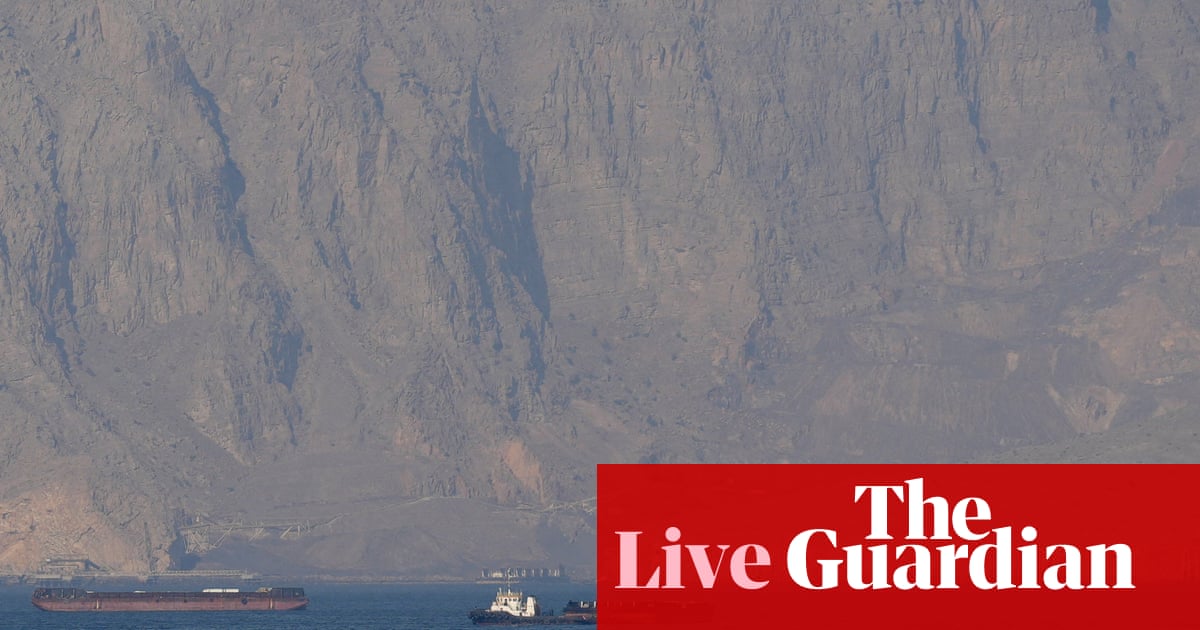
Iran has **again closed the Strait of Hormuz**, a critical oil shipping route, after the US refused to lift its blockade. This move has significant implications for global oil prices and regional stability. The US and Iran have been engaged in **tense negotiations**, with Iran demanding the lifting of sanctions and the US insisting on **nuclear deal compliance**. The situation is further complicated by the involvement of other regional players, including **Israel** and **Lebanon**. As the standoff continues, the international community is watching with bated breath, fearing a potential **escalation of violence**. The US has been working to **build a coalition** to counter Iranian influence in the region, while Iran has been seeking to **strengthen its alliances** with other nations. The Strait of Hormuz is a critical waterway, with **20% of the world's oil** passing through it.
Key Takeaways
- The US and Iran are engaged in a high-stakes game of cat and mouse, with the Strait of Hormuz as the prize
- The blockade of the Strait of Hormuz is a provocative move that could lead to a wider conflict
- The situation has significant implications for global oil prices, regional stability, and US-Iran relations
- The international community is calling for calm and encouraging diplomatic efforts to resolve the crisis
- The US and Iran should engage in constructive dialogue to address the crisis
Balanced Perspective
The current situation in the Strait of Hormuz is a **complex and multifaceted issue**, with both the US and Iran having **legitimate concerns**. The US is seeking to **contain Iranian influence** in the region, while Iran is looking to **protect its sovereignty**. The **blockade of the Strait of Hormuz** is a significant escalation of tensions, and it is unclear how the situation will unfold. The international community is **calling for calm**, but it is difficult to see a clear path forward. The **history of US-Iran relations** is marked by **periods of tension and conflict**, and it is unclear whether the current situation will lead to a **new era of cooperation** or further **escalation**.
Optimistic View
Despite the current impasse, there are still opportunities for a **diplomatic breakthrough**. The US and Iran have a long history of **complex negotiations**, and there are indications that both sides are willing to **compromise**. A potential **confidence-building measure** could be the release of **American prisoners** held in Iran, which could pave the way for further talks. Additionally, the involvement of **European powers** could help to **facilitate a resolution**, as they have a strong interest in maintaining regional stability. The **Iran nuclear deal** could also serve as a **framework for future negotiations**.
Critical View
The current impasse in the Strait of Hormuz has the potential to **spark a wider conflict**, with significant implications for regional and global stability. The US and Iran are **fundamentally at odds**, with little common ground between them. The **blockade of the Strait of Hormuz** is a **provocative move**, and it is likely to lead to a **strong response** from the US and its allies. The situation is further complicated by the involvement of other regional players, including **Israel** and **Lebanon**, which could lead to a **broader conflict**. The **global economy** is also at risk, as a **disruption to oil supplies** could have significant consequences for **energy prices** and **economic growth**.
Source
Originally reported by The Guardian